Key Principles of Personal Growth: Time, Balance & Brain Health
Picture by Ian Tuck
The Key Principles of Personal Growth
Picture by Nathan Dumlao
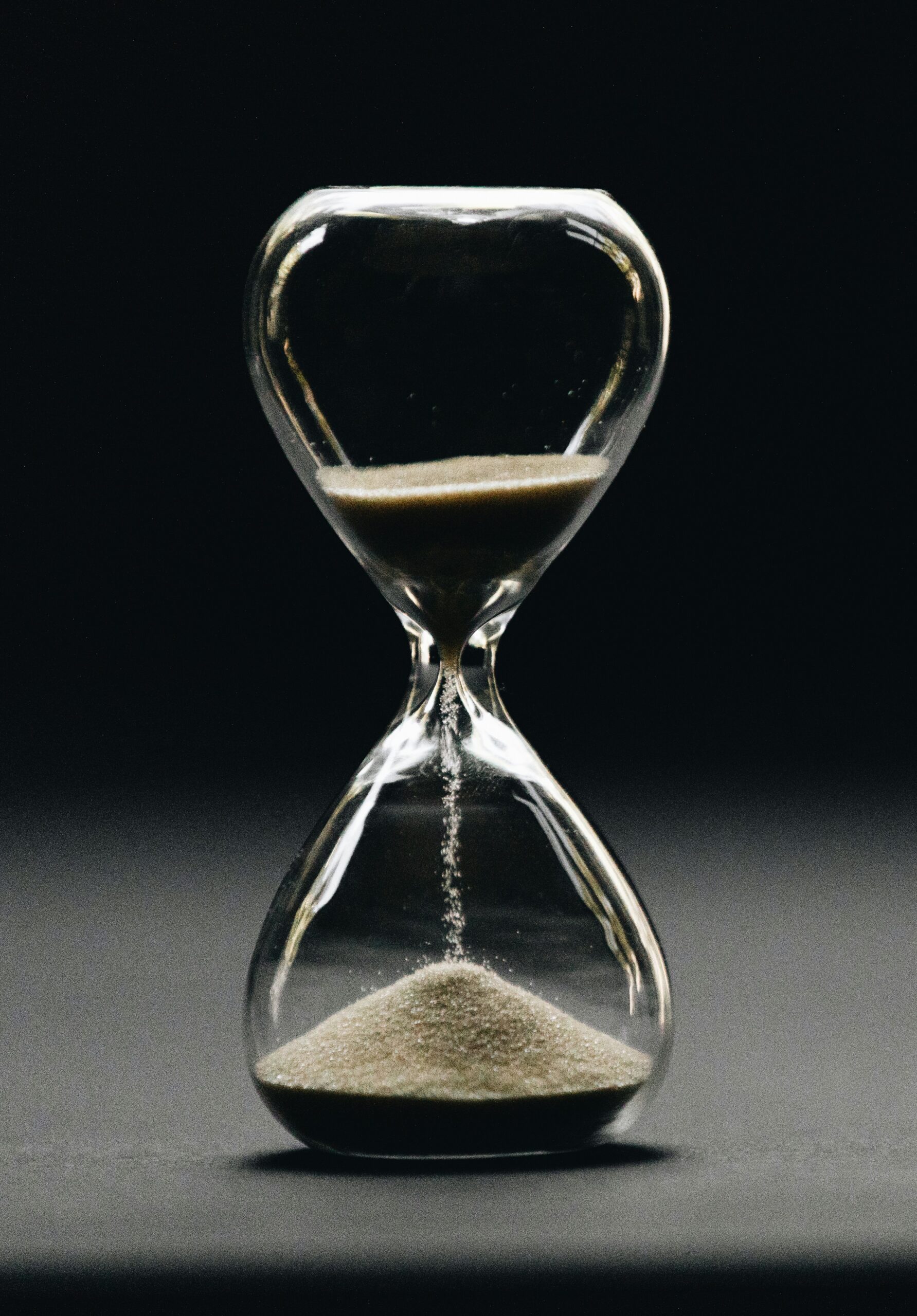
Time — Our Most Limited Resource
Time is finite. Unlike money or knowledge, it cannot be recovered once spent.
Recognizing this truth keeps us humble. It forces us to reflect:
・Am I investing my time intentionally?
・Am I growing, or just staying busy?
・Am I spending time on what truly matters?
When we treat time as priceless, we naturally begin to prioritize learning, relationships, and health.
Awareness of time creates responsibility.
Picture by Sean Stratton
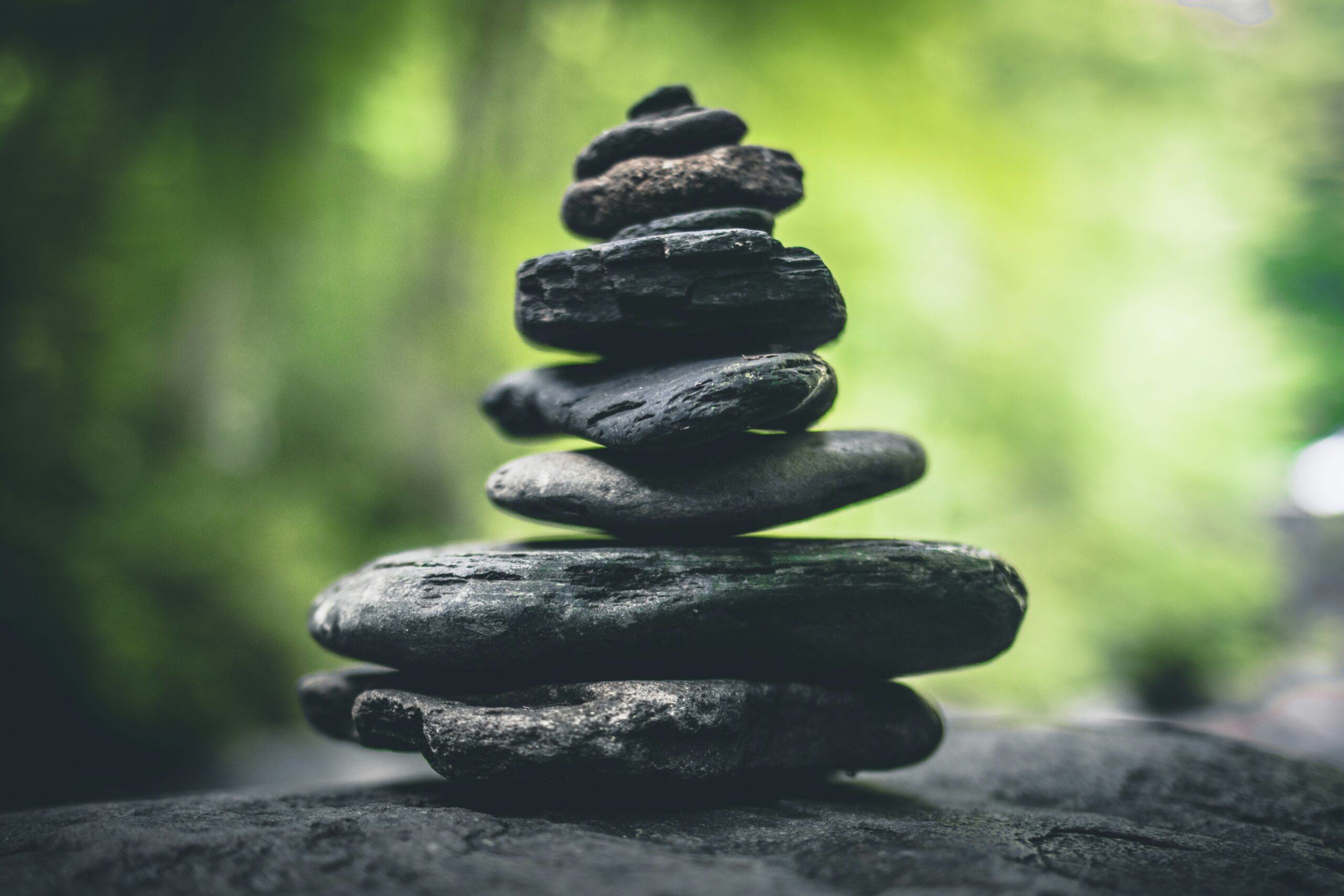
Balance — The Art of Sustainable Growth
Extreme imbalance leads to fragility.
If one area of life is highly developed while others are neglected, the overall outcome suffers. Success without health. Productivity without relationships. Knowledge without empathy.
True progress requires moderation.
Balanced growth means:
・Improving steadily rather than obsessively.
・Nurturing relationships alongside ambition.
・Caring for the body as much as the mind.
A balanced life is not static — it is adjusted continuously.
Picture by Julien Tromeur
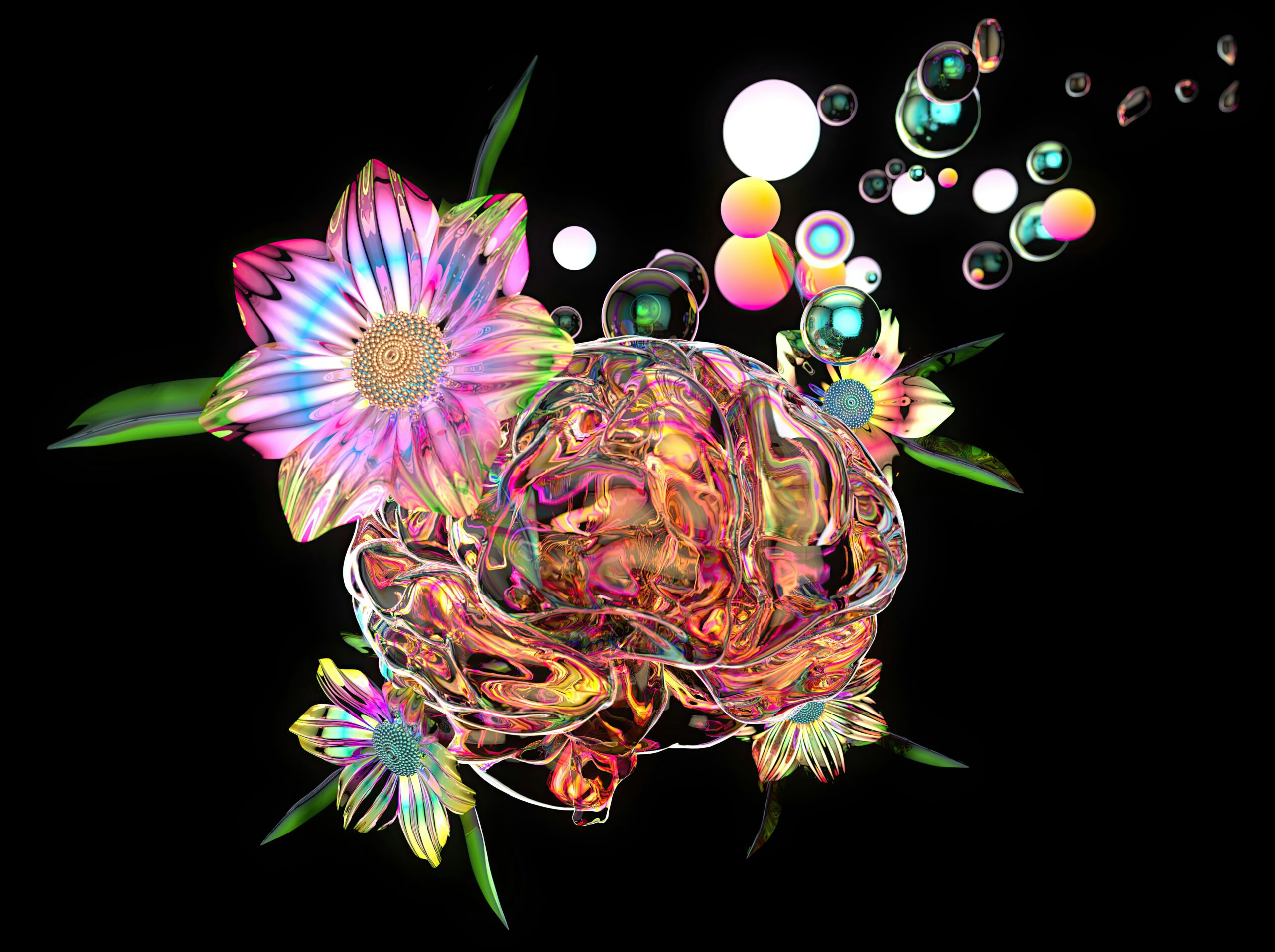
Brain — The Foundation of All Change
Everything we experience, learn, and become depends on the brain.
The brain is not fixed. Through neuroplasticity, it adapts and evolves based on how we use it.
Its health depends on five essential elements:
・Wisdom — what we learn and understand
・Empathy — how we connect with others
・Awareness — how consciously we live
・Health — how we care for the body
・Willpower — how we act despite difficulty
When these elements are strengthened together, the brain becomes more resilient, adaptable, and capable.
And with a stronger brain, transformation becomes possible.
Frequently Asked Questions
Why is time important for personal growth?
Time is our most limited resource. Every skill we build, every habit we change, and every relationship we nurture requires time. When we become aware of how we spend it, we begin to live more intentionally. Personal growth does not happen randomly — it happens where time is invested consistently and consciously.
What does living a balanced life really mean?
Living a balanced life means avoiding extremes. Instead of overdeveloping one area (like career or fitness) while neglecting others (relationships, health, learning), balance ensures steady progress across all essential domains. Sustainable growth comes from moderation, not intensity alone.
How does brain health affect self-improvement?
The brain is the foundation of all growth. Learning, emotional regulation, discipline, creativity, and decision-making all depend on brain function. When we protect and strengthen our brain through sleep, exercise, learning, and mindful practices, we improve our ability to grow in every other area of life.
What are the core elements that support brain health?
Brain health is supported by five interconnected elements:
- Wisdom (continuous learning and reflection)
- Empathy (healthy social connection)
- Awareness (mindfulness and presence)
- Health (physical fitness and recovery)
- Willpower (discipline and resilience)
Together, these elements create the conditions for long-term personal transformation.
Can personal growth happen at any age?
Yes. The brain retains neuroplasticity throughout life, meaning it can continue forming new connections and adapting. Growth does not depend on age — it depends on intention, effort, and consistency. It is never too late to change direction.
How can I start applying these principles today?
Start small.
Choose one area — time awareness, balance, or brain health — and take one consistent action. This could be reducing distractions, exercising for 15 minutes, reading daily, or practicing mindful listening. Sustainable growth begins with simple, repeated behaviors.