Understanding Our Society – Culture, Work, Consumerism, Inequality & the Future of Humanity
Picture by A Y
Understanding Our Society
Examining the forces shaping our world — and our responsibility within it.
“Our society is run by insane people for insane objectives.”
—John Lennon
The Major Societal Challenges of Our Time
Modern society has achieved extraordinary technological progress.
Yet we face deep structural tensions:
- Cultural misunderstanding
- Racism and division
- Overconsumption
- Work-centered identity
- Economic inequality
- Addiction and loss of autonomy
- AI-driven acceleration
- Environmental strain
Understanding these forces is the first step toward transforming them.
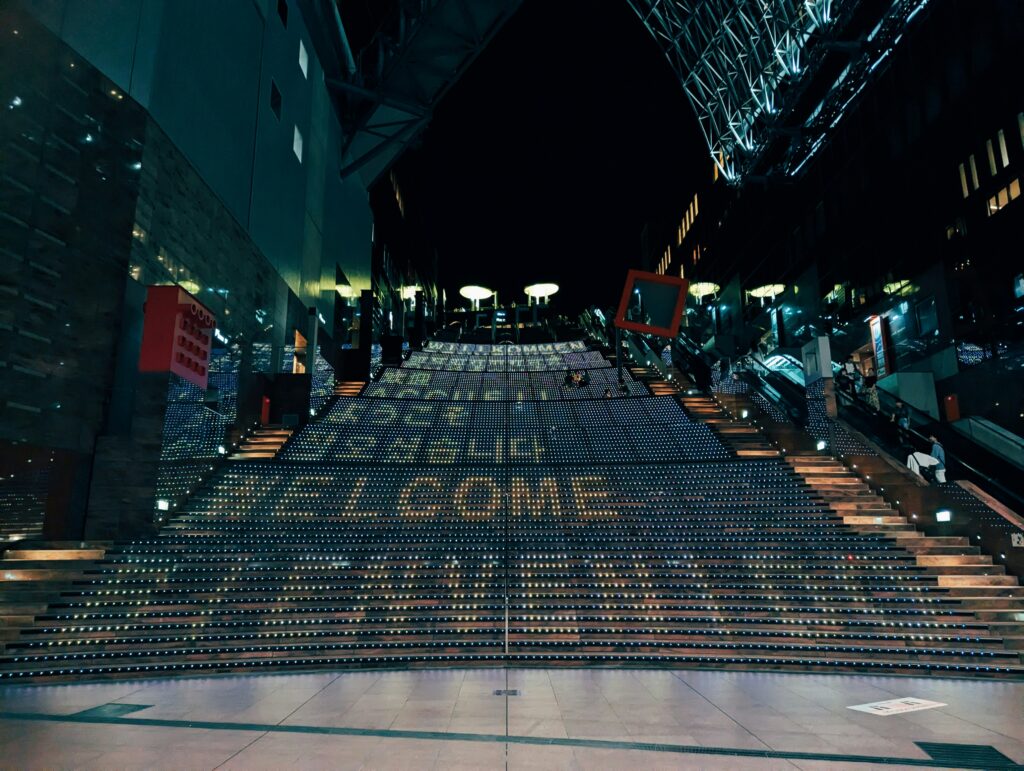
Language and Culture Shape How We Think
Language is not just communication — it shapes perception.
Vocabulary, grammar, and structure influence how we:
- Frame problems
- Interpret reality
- Make decisions
- Understand time
Our cognitive biases are partly cultural.
For thousands of years, cultures evolved in isolation. Today, globalization and AI create the possibility of something new: a shared human consciousness built on diversity rather than division.
Example – Japanese and French Language
Language differences illustrate cognitive framing:
- Japanese often implies the future using present tense.
- French has a distinct future tense.
Some argue this shapes how time and planning are conceptualized.
Certain Japanese words combine extremes (use/discard), while the French word “choix” (choice) originates from causa (reason), reflecting emphasis on reasoning.
Language influences thought patterns — and thought patterns influence societies.
Cultural Conditioning and Social Norms
Cultural norms shape behavior far beyond language.
Example:
- Strikes are culturally common in France.
- Strikes are culturally rare in Japan due to social harmony norms.
Expecting universal agreement across cultures creates conflict.
Recognizing that our perspective is culturally shaped is a key step toward humility.
Picture by Note Thanun
Racism and the Failure to Embrace Differences
Conflict persists because comparison is natural.
But comparison does not require hatred.
Cultural diversity is not a problem — the inability to handle difference is.
We cannot erase cultures.
But we can evolve toward identifying first as:
Human beings.
Then as members of nations.
Picture by Pascalepp


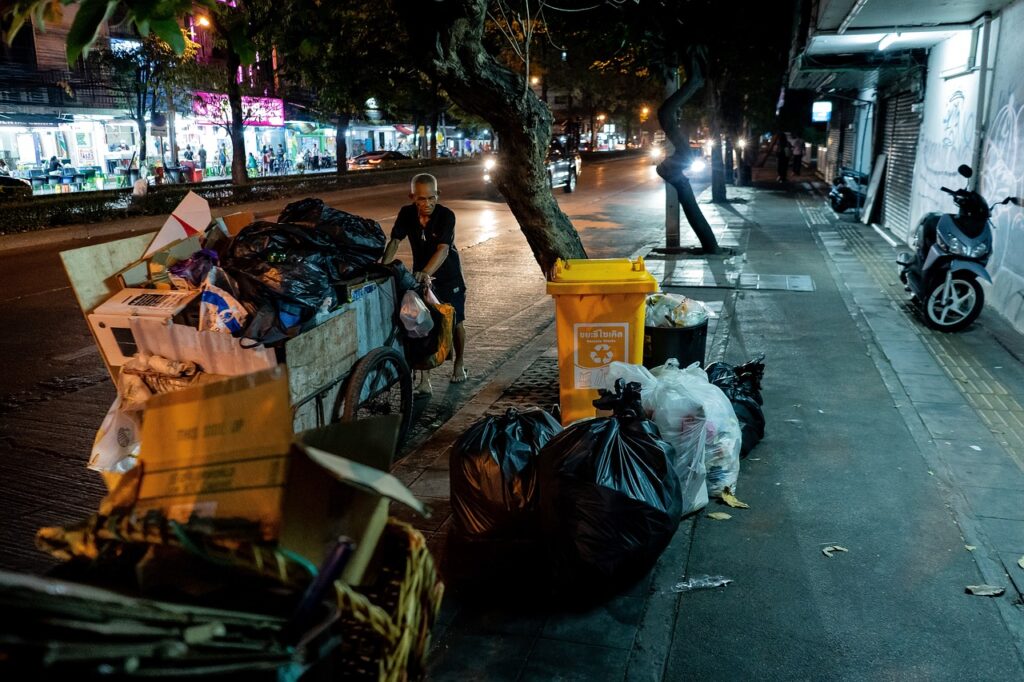
Born and Raised to Work
From early childhood, we are conditioned to prepare for work.
Our identity becomes tied to:
- Career
- Productivity
- Economic value
Work has replaced survival as the central organizing principle of society.
But we rarely question:
Is work our purpose — or simply our system?
Picture by Jeltevanoostrum
Leisure and the Consumption Trap
Free time was once a luxury.
Now it is common — yet deeply monetized.
We fill spare moments with:
- Streaming
- Gaming
- Social media
- Consumption
Our brains avoid idleness.
But most leisure activities are engineered to capture attention — not cultivate growth.
How we use free time determines long-term societal outcomes.
Picture by Averyanovphoto


Marketing, Overproduction, and Consumerism
Modern marketing uses psychology and AI to:
- Trigger desire
- Create artificial needs
- Exploit behavioral biases
Overproduction feeds overconsumption.
And overconsumption strains:
- Natural resources
- Mental health
- Financial stability
Awareness of marketing psychology restores agency.
Picture by JJ Ying
Money and Power Concentration
Money is a tool.
But in modern society, it defines power.
We cannot deny the benefits of industrial progress.
Yet wealth concentration creates structural imbalance.
When:
- 1% controls the majority of wealth
- Basic needs remain unmet globally
We must question our system honestly.
True equity begins with universal access to:
- Healthcare
- Food
- Water
- Shelter
- Education
Picture by Ralphphotos


The Paradox of Freedom and Addiction
Are we truly free?
We consume:
- Substances
- Entertainment
- Social validation
- Products
Many addictive systems are legal and profitable.
Freedom without awareness is fragile.
Addiction — behavioral or chemical — challenges our autonomy.
Picture by Arcaion
The Illusion of Equity
We are not born equal in:
- Genetics
- Environment
- Education
- Opportunity
This is not pessimism.
It is realism.
Equity begins not by denying differences — but by ensuring fair starting conditions.
Without basic needs and education, “choice” becomes theoretical.
Picture by Artikhun
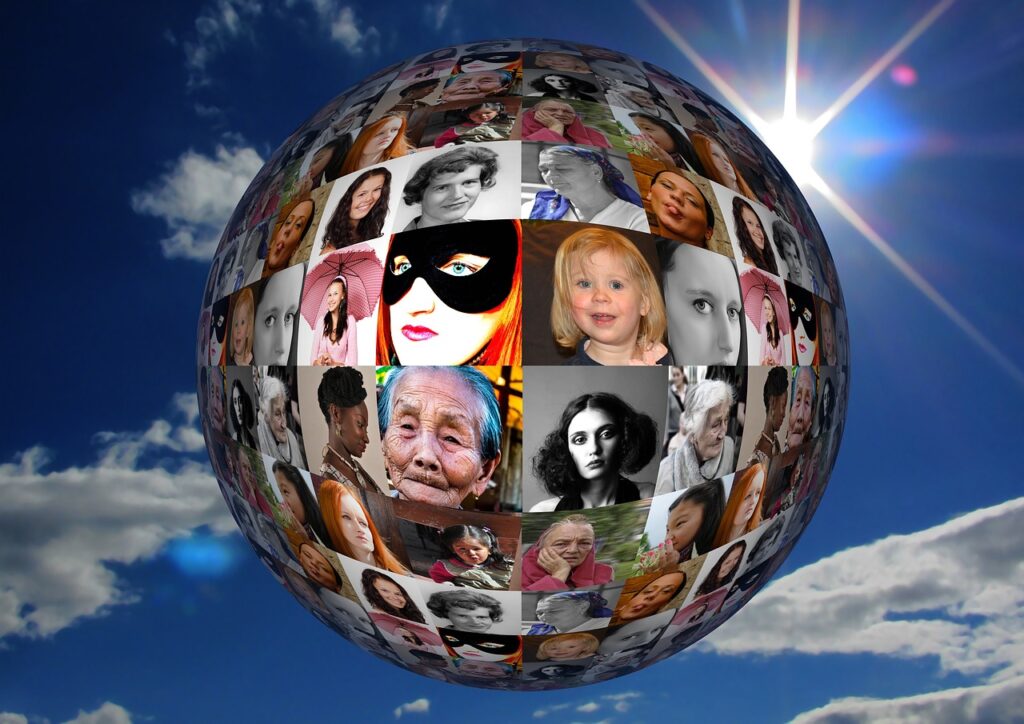
Women and Historical Narratives
For thousands of years, physical strength shaped power structures.
These narratives persist.
But modern society no longer depends on brute force.
As systems evolve, gender roles must evolve with them.
True progress requires dismantling inherited assumptions — consciously.
Picture by Geralt
The Role of the Elderly
We are living longer than ever.
Yet we underutilize intergenerational wisdom.
Elderly individuals can:
- Support education
- Share lived experience
- Strengthen community bonds
- Maintain cognitive engagement
A society that neglects its elders wastes accumulated knowledge.
Picture by Christian Bowen

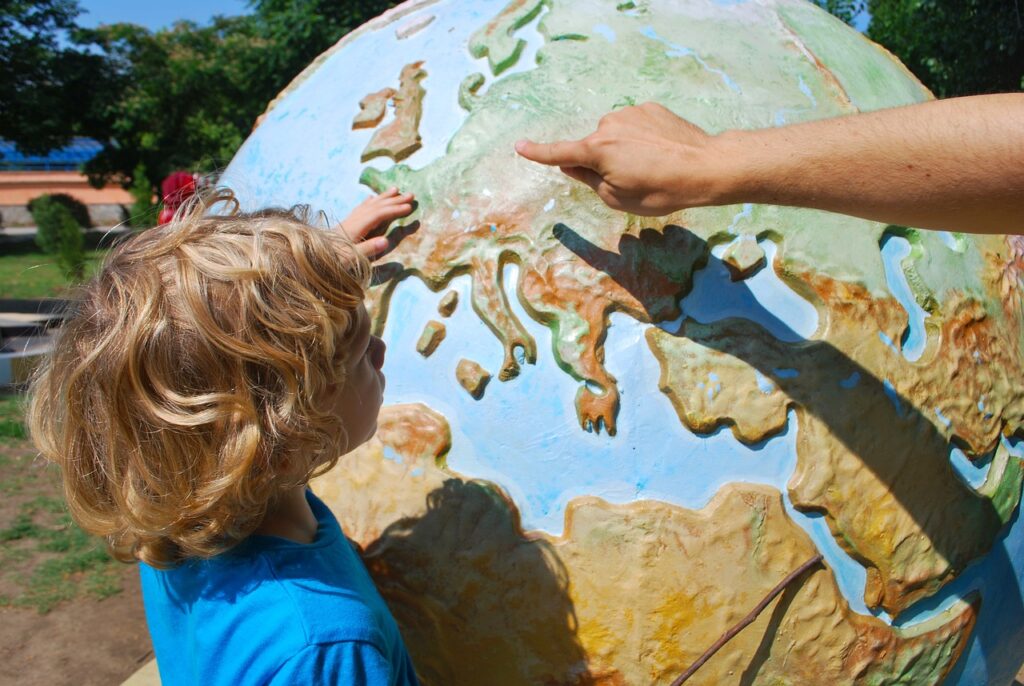
Children and the Future
Children inherit the world we design.
Yet education budgets often lag behind military and corporate spending.
Modern challenges include:
- Excessive screen time
- Social media addiction
- Decreased attention span
- Reduced physical activity
Technology is not the enemy.
Imbalance is.
Adults must model the behavior they expect from children.
Picture by Mojpe
AI and the Future of Humanity
AI will:
- Increase automation
- Expand leisure time
- Solve complex problems
- Create new inequalities
Technology evolves rapidly.
Biology evolves slowly.
Our responsibility is to strengthen:
- Awareness
- Critical thinking
- Emotional intelligence
- Cognitive resilience
If we do not evolve consciously, technology will shape us passively.
If we do, AI becomes a tool — not a master.
Picture by Aman Pal
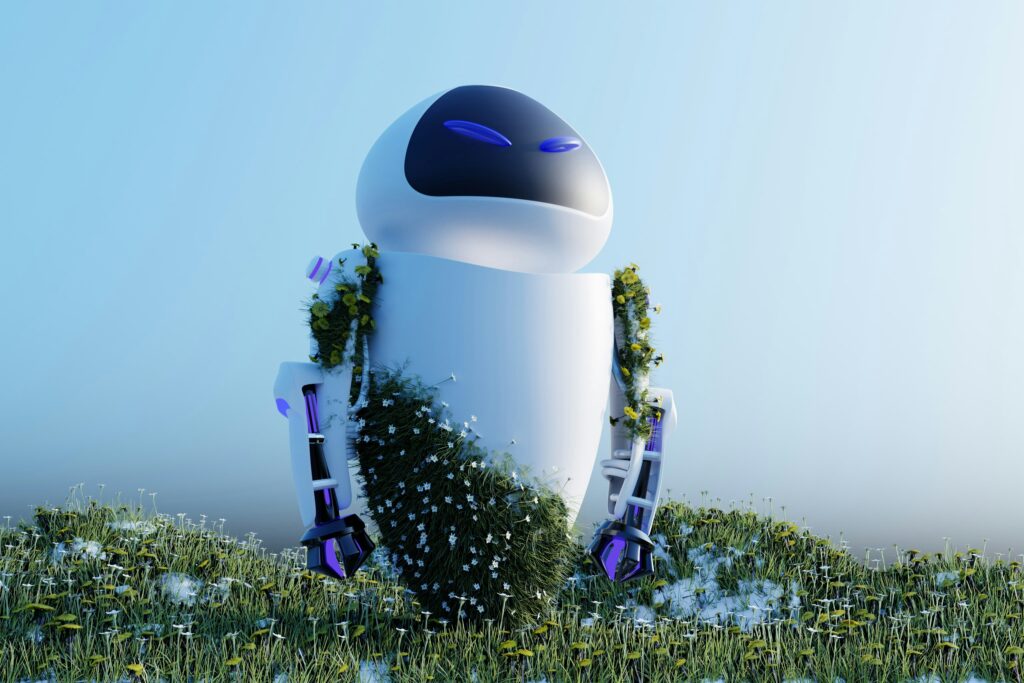
A Shared Responsibility
Individual growth and societal reform are not separate paths.
They are interconnected.
Healthy individuals create healthier systems.
Healthier systems support stronger individuals.
Understanding society is not about blame.
It is about clarity.
Clarity precedes change.