Media Blog
Picture by hbieser
The 7 Shapes — Reflected in the Stories We Love
Not only in the magical world of Esperia, but right here on our beautiful planet Earth, we can also find echoes of the 7 Shapes—hidden in plain sight.
While we may not possess the magical powers of the Espers, we carry within us a human equivalent of their StarDust:
our incredible brain.
What if we looked at the world around us with greater awareness?
What if the stories we read, the movies we watch, the anime, manga, and books we cherish…
were more than just entertainment?
Each post below explores the presence of wisdom, balance, willpower, empathy, and more—through the lens of popular culture.
Let’s rediscover what inspires us, one tale at a time.
-
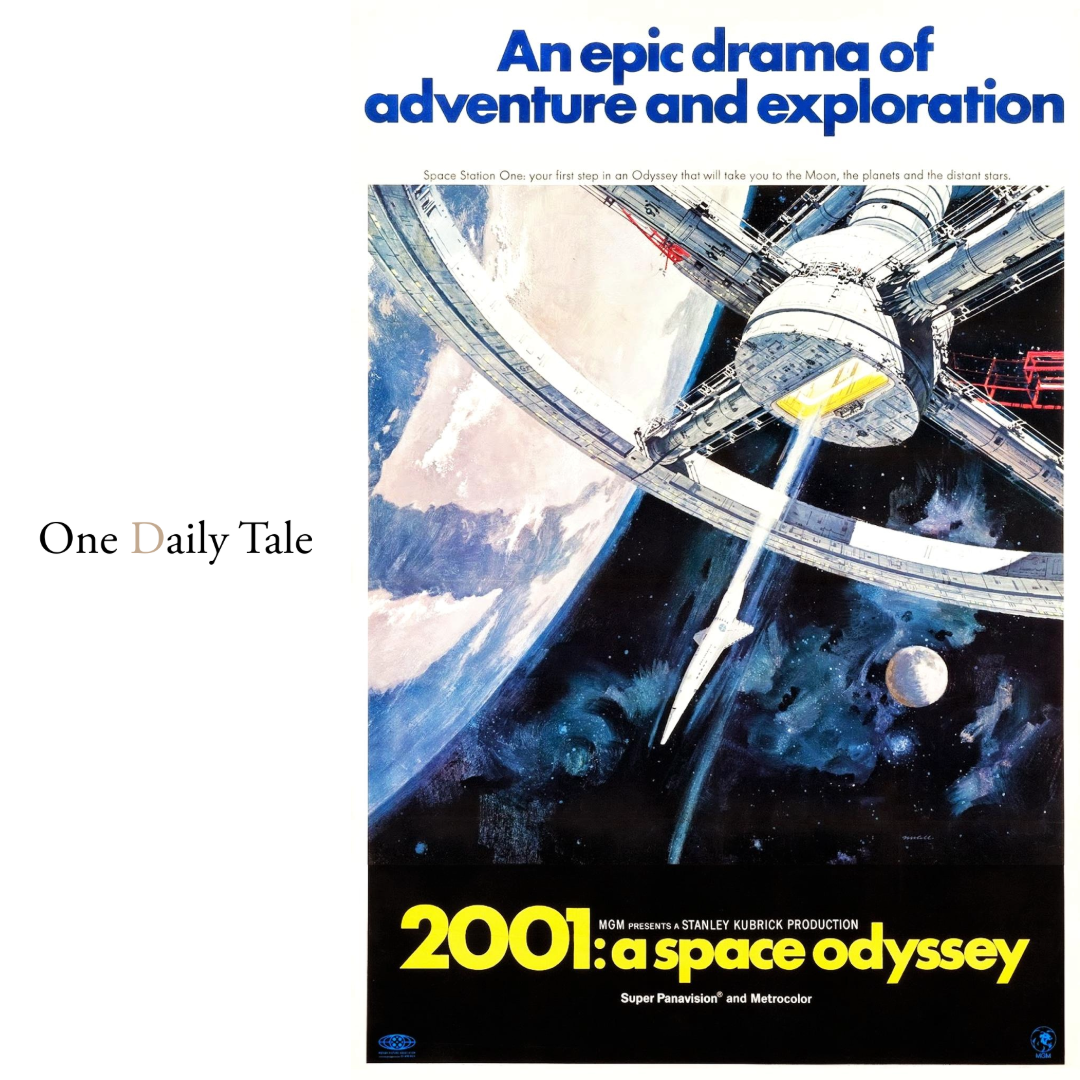
“2001: A Space Odyssey” and the Future of Humanity: Reflections on Consciousness, AI, and Global Unity
I recently watched 2001: A Space Odyssey by Stanley Kubrick during a flight to Paris to visit my father. Despite its iconic status, I had never seen it before. My only prior knowledge was the use of Richard Strauss’s famous classical piece, “Also Sprach Zarathustra.” Watching this masterpiece for the first time, I was struck…
-
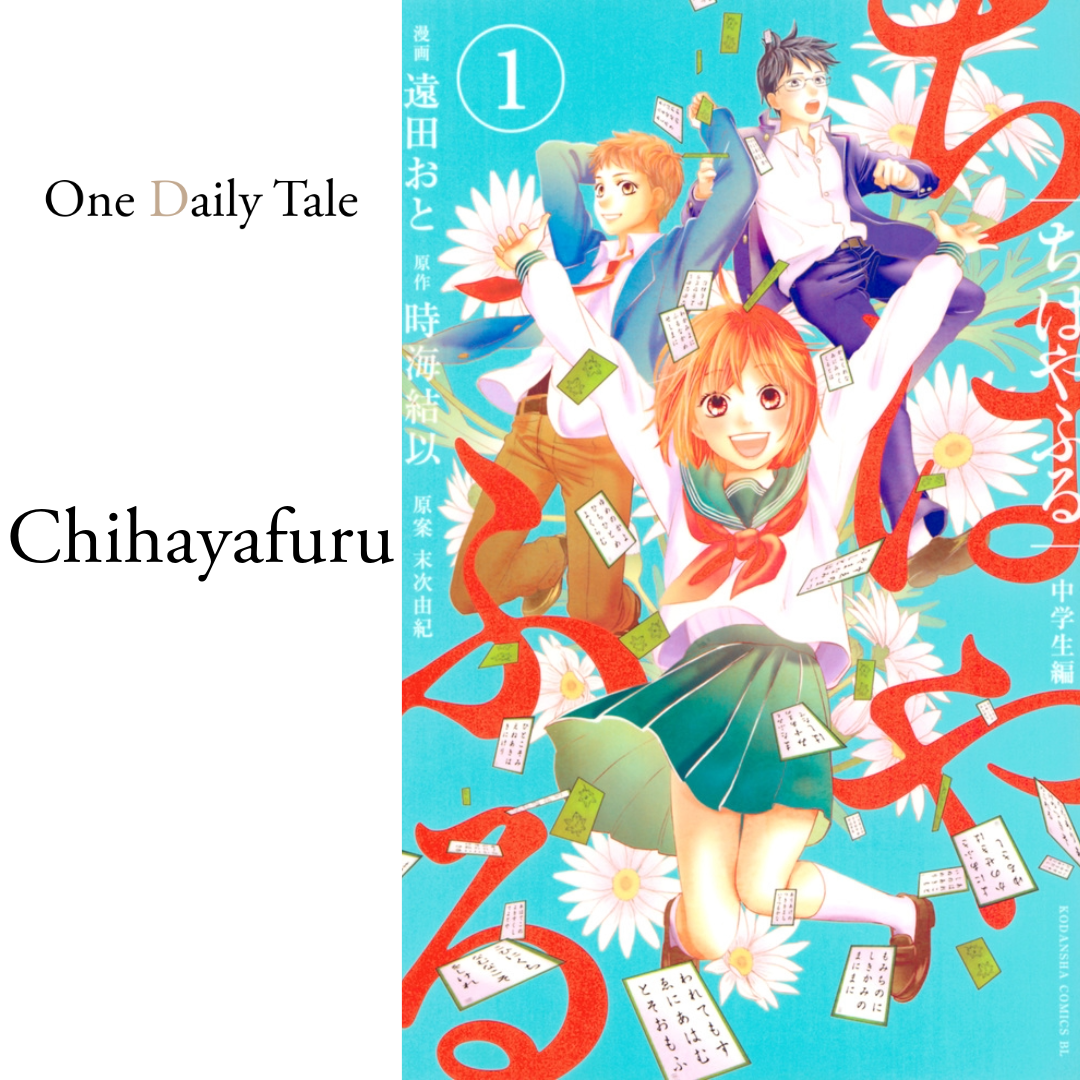
Chihayafuru: A Tale of Friendship, Growth, and Brain-Boosting Lessons
We recently watched the live-action movie series Chihayafuru (a trilogy) with my wife. She asked me if I had heard of Karuta before seeing it. Surprisingly, I hadn’t even come across the name. Karuta is a Japanese game where two participants duel on a tatami floor, aiming to be faster than their opponent in finding…
-
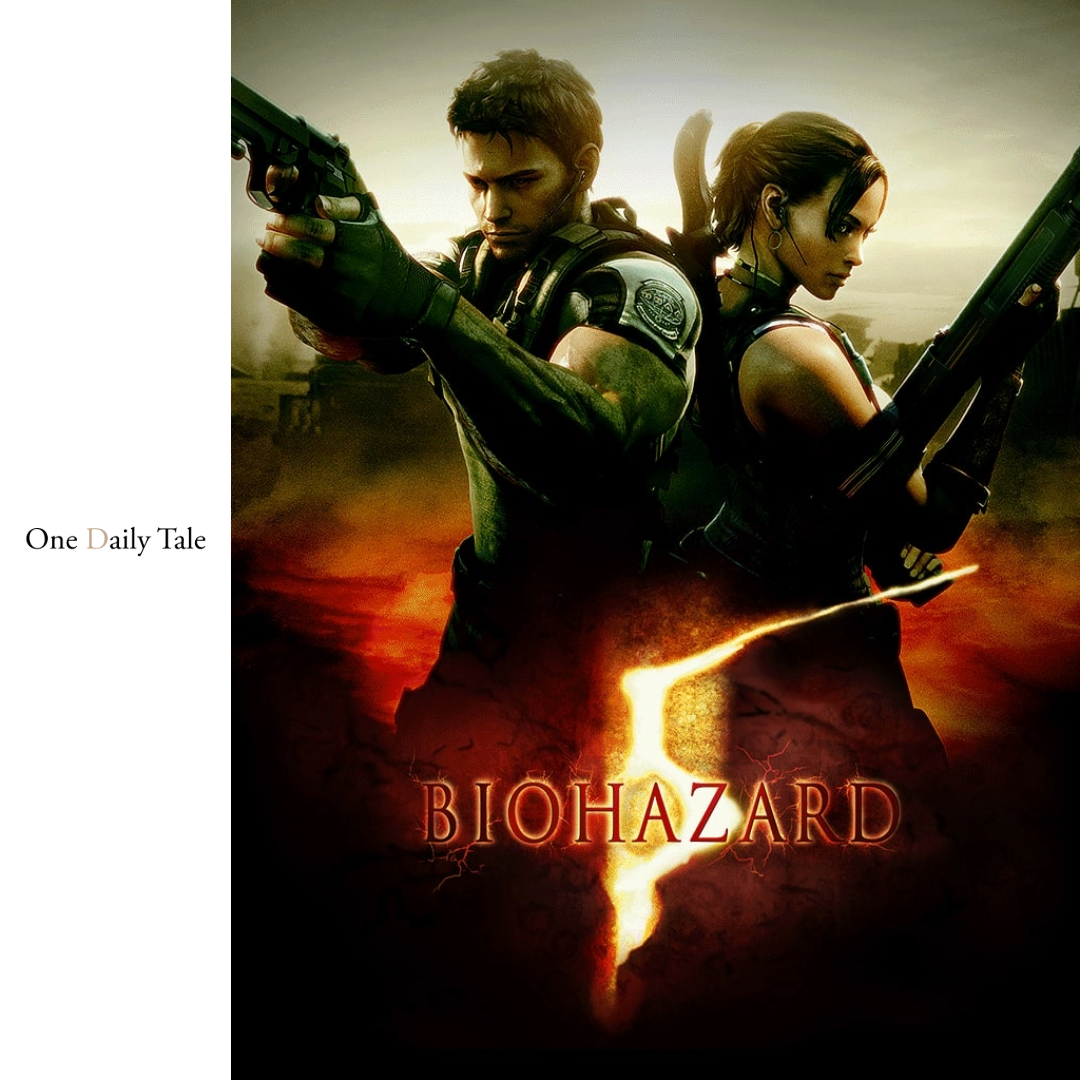
Resident Evil 5: A Controversial Journey and a Call for Unity
Released in 2009, Resident Evil 5 stands as a significant entry in the iconic horror series that first captivated audiences in 1993. Known for its gripping storylines and terrifying gameplay, the series has become a classic in the zombie-horror genre. This installment, however, sparked heated debates due to its setting and cultural implications. Set in…
-
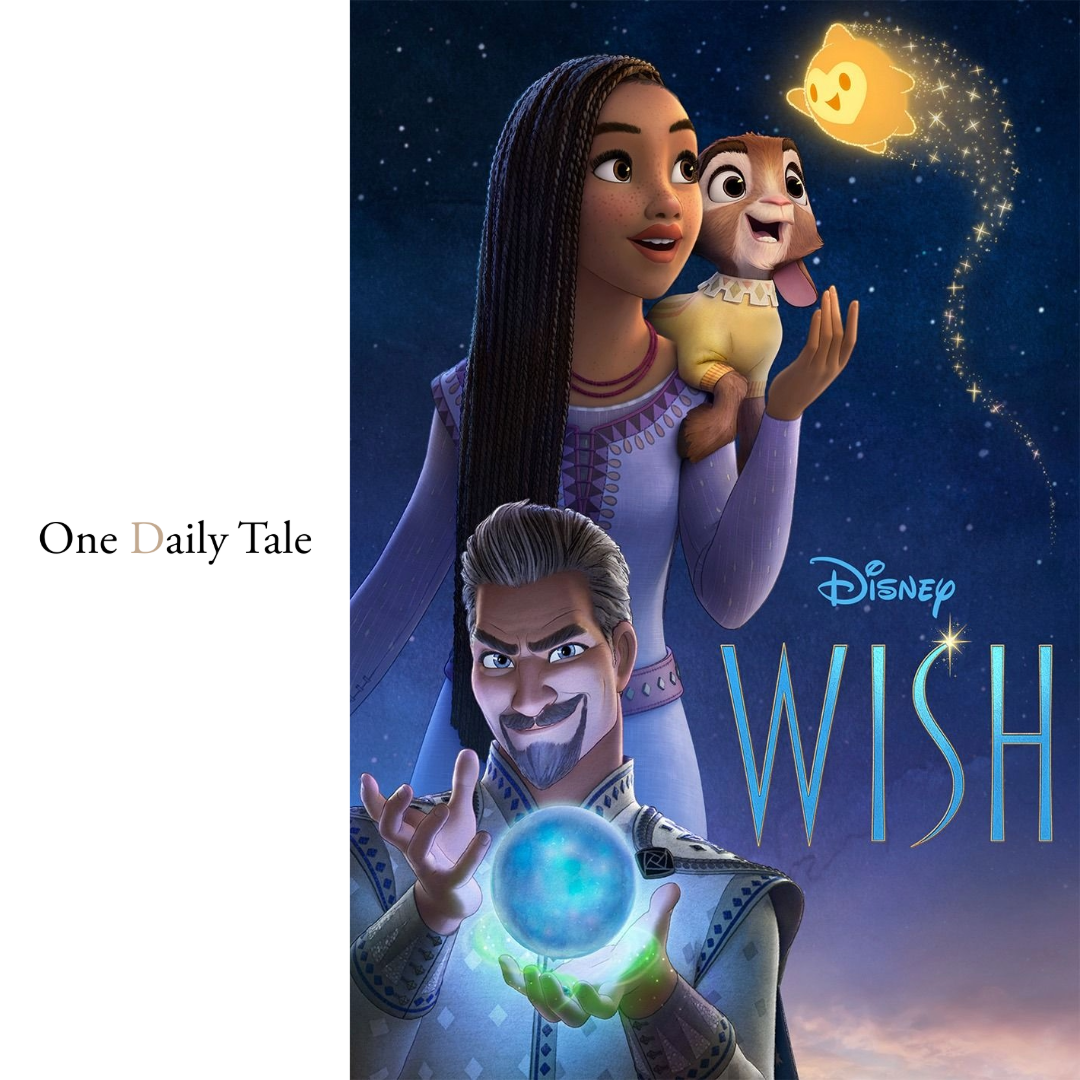
“Wish” on Disney+: A Reflection on Society and Dreams
We watched “Wish” on Disney+ yesterday. My wife had already seen it once with her sister last year when it was released in theaters, but it was my first time. During karaoke with my in-laws, I had heard some songs, particularly one I assumed was sung by the villain of the movie. My wife wasn’t…
-
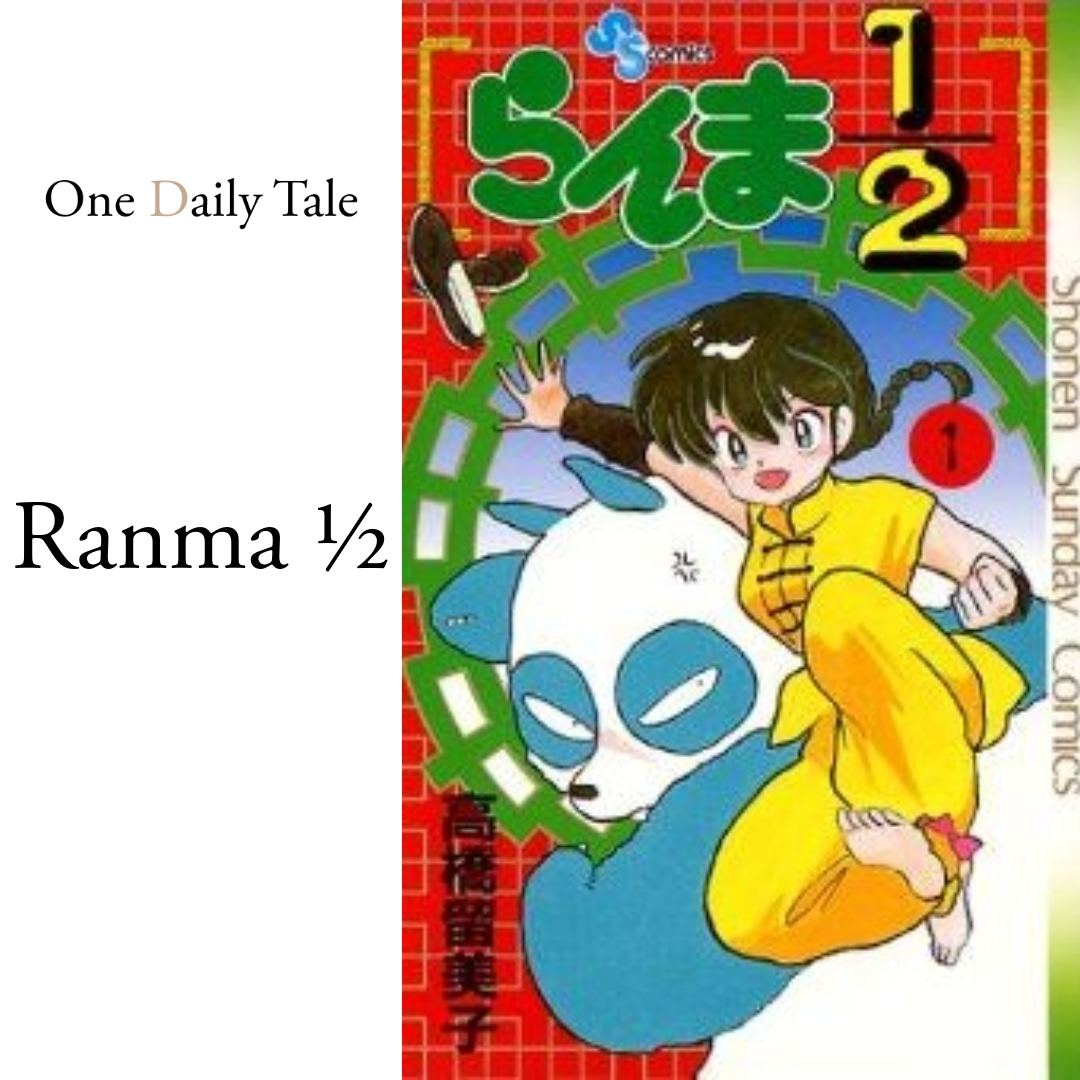
Ranma ½: A Nostalgic Dive into Identity and Society’s Evolving Norms
I recently discovered that Netflix has released a new version of the anime Ranma ½, created by Rumiko Takahashi. It brought back memories of watching the original series on French TV through the iconic program “Club Dorothée.” France was ahead of its time in importing and broadcasting Japanese animation, giving us the privilege of experiencing…
-
Oshakashama by Radwimps: A Reflection on Hypocrisy and Society
I was introduced to the song “Oshakashama” by Radwimps by yet another drummer friend. As a bass player, I have often sympathized quickly with drummers—the rhythm section of a band needing to play in sync to create the foundation on which the other instruments and vocals can work freely. The better the foundation, the better…
-
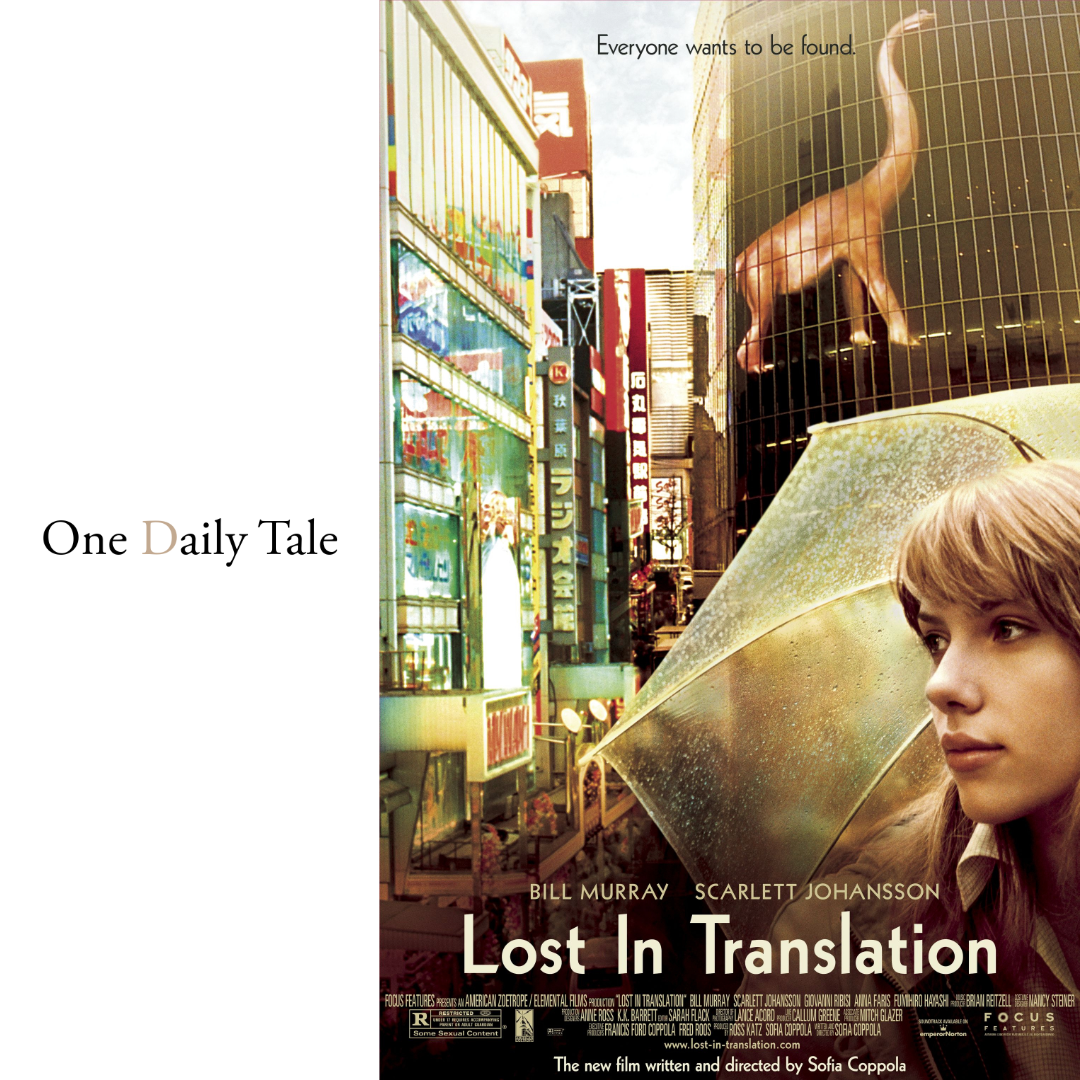
Rediscovering Life Through Lost in Translation and the Power of Reflection
I’ve watched Lost in Translation several times. The first time I saw it, I was told about a movie set in Japan starring Bill Murray. At the time, I was still learning Japanese at university. Watching it again after living in Japan for a while, my perception of the film had naturally shifted; living in…
-
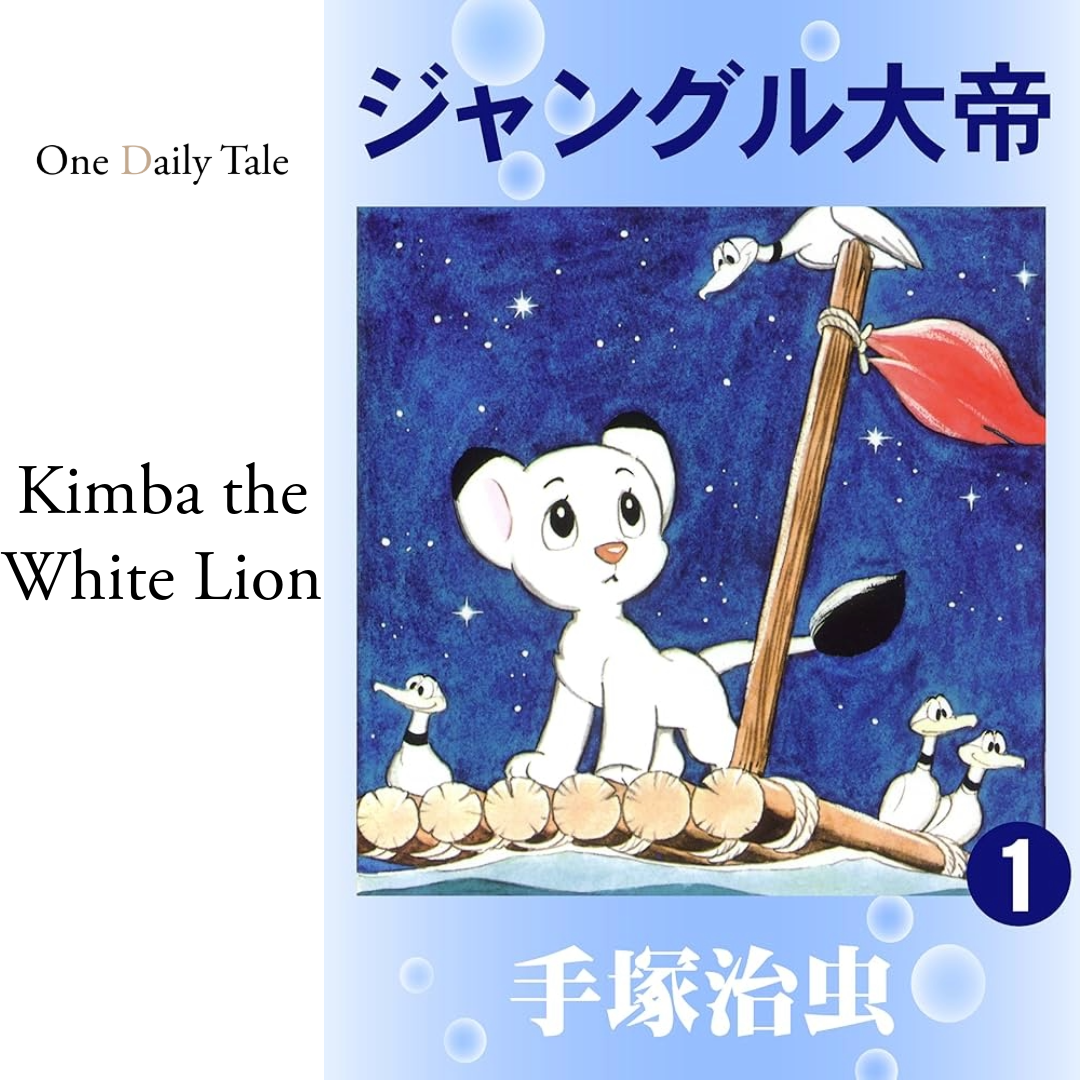
Lessons from Kimba the White Lion: A Call for Mutual Understanding and Global Citizenship
I watched the anime version of Kimba the White Lion on French TV as a child. The manga, written by Osamu Tezuka, the creator of Astro Boy and Black Jack, dates back to the early 1950s. Though Disney has never officially confirmed it, many striking similarities exist between Kimba the White Lion and their iconic…